Bookkeeping System Setup: Our Firm Offers Meticulous Financial Record-Keeping And Account Management For Organizations Of All Sizes
Core Services Used
When one considers the bedrock of any prospering business, what frequently comes to mind? Is it the grand vision, the ingenious item, or perhaps the charming leadership? While all these play their part, the unsung hero, the quiet engine room, is inevitably careful accounting. It's the silent guard, guaranteeing every penny is represented, every deal a clear, traceable course. But what, exactly, does this incorporate when engaging expert accounting services?
The Pillars of Financial Clearness
At its heart, professional accounting distills complicated financial data into digestible, actionable insights. Believe of it as translating the elaborate language of commerce into plain English. The core services are not merely about number crunching; they have to do with developing a robust monetary structure for your business.
-
Transaction Classification and Entry
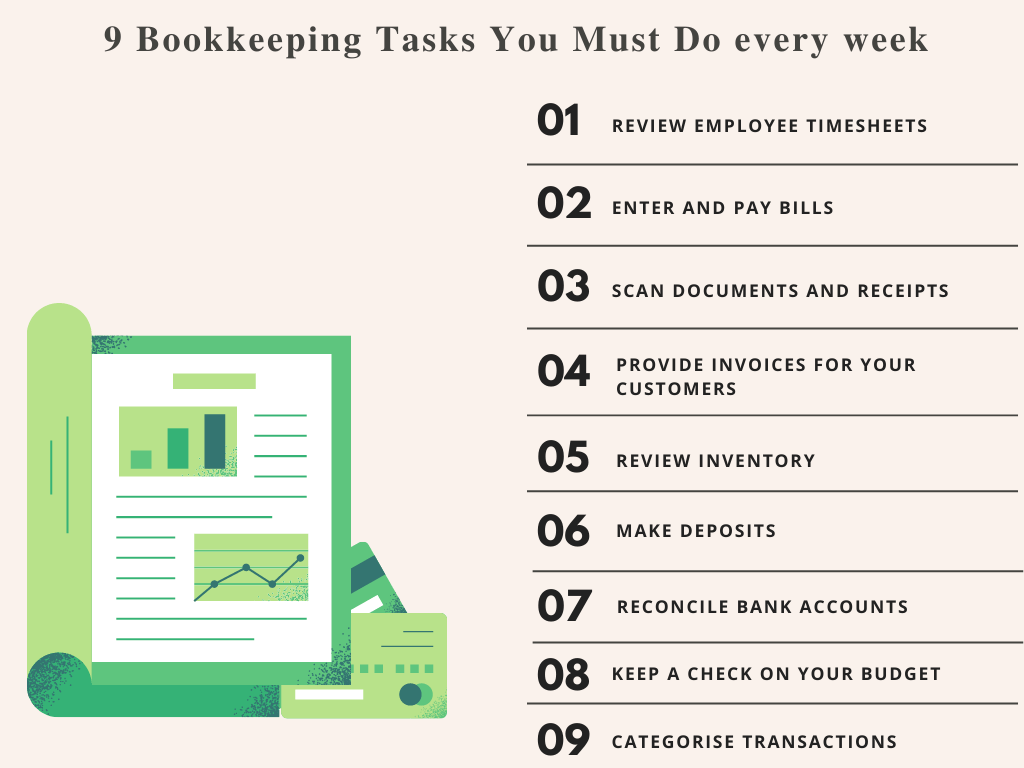
This is the everyday bread and butter. Every sale, every cost, every payment got or made needs its correct location. Picture a vast library where every book (transaction) should be shelved correctly according to its genre (classification) Losing even one can toss the entire system into chaos. Specialist accountants make sure exact categorization, from office products to client reimbursements, preparing for precise monetary statements. This careful procedure is important for understanding money circulation and success.
-
Bank and Charge Card Reconciliation
Ever discovered yourself scratching your head, wondering why your bank declaration does not quite match your internal records? This typical conundrum is specifically what reconciliation addresses. It's the process of comparing your service's financial records with those of your bank or credit card company to guarantee they match. This isn't almost capturing errors; it's about identifying potential fraud, unrecorded deals, or even simple clerical errors. A timely reconciliation can be the distinction in between a minor misstep and a major financial headache. It's like verifying your work before sending, using peace of mind and financial stability.
-
Accounts Payable and Receivable Management
Managing who you owe and who owes you is critical. Accounts payable guarantees your costs are paid on time, preserving excellent vendor relationships and avoiding late fees. On the other hand, balance dues focuses on gathering payments due to your company, an important component of healthy capital. Neglecting either can cause a precarious financial position. Think about it as handling the ebb and circulation of money-- guaranteeing there's always sufficient can be found in to cover what's heading out. Efficient management of these aspects is basic to organization solvency.
-
Financial Reporting
Beyond the daily grind of entries and reconciliations, the real value emerges in the reports. These are your organization's financial story, narrating of its health and performance. Secret reports include:
- Earnings & & Loss (Earnings Declaration): A picture of your incomes, expenses, and profits over a period.
- Balance Sheet: A view of your assets, liabilities, and equity at a specific moment.
- Capital Statement: Information how money is generated and utilized by your business.
These reports are not simply historic files; they are effective tools for strategic decision-making, assisting you recognize patterns, chances, and areas for improvement. They offer the clearness needed to browse the often-turbulent waters of service. Do you truly comprehend your monetary health without them?
Benefits for Organizations
Ever discovered yourself staring at a spreadsheet, a knot forming in your stomach as numbers blur into an indecipherable mess? Numerous company owner, specifically those navigating the choppy waters of a start-up or scaling business, face this really circumstance. The allure of handling whatever in-house often originates from a desire for control or, frankly, a misdirected attempt to save a couple of cents. However what if that penny-pinching in fact expenses you dollars, even numerous thousands, in lost chances or, worse, compliance blunders? This isn't almost stabilizing ledgers; it has to do with the very pulse of your operation.
Opening Strategic Insights
Professional bookkeeping services transcend simple data entry. They transform raw financial information into actionable intelligence. Think about it: a clear, real-time picture of your capital, not simply a historic record. This enables proactive decision-making rather than reactive scrambling. Do you understand, for example, your specific break-even point for each line of product? Or which functional expense is quietly siphoning off your profits? Without careful, expert bookkeeping, these important insights stay shrouded in mystery, leaving you to make decisions based on suspicion instead of tough facts. An expert can identify subtle trends, such as a creeping boost in raw material costs that, left untreated, might erode your margins considerably with time. It's the difference between flying blind and having a sophisticated navigation system.
Reclaiming Your A Lot Of Valuable Possession: Time
Time, as they say, is money. However for entrepreneurs, it's more than that; it's the scarce resource that determines development, development, and even individual well-being. Just how much time do you currently devote to reconciling accounts, chasing after invoices, or getting ready for tax season? For numerous, it's a disconcerting variety of hours, hours that might be invested in core company activities: planning, item development, or nurturing customer relationships. Outsourcing financial record-keeping maximizes this invaluable commodity. Think about the anecdote of the little business owner who, after entrusting their bookkeeping, finally found the bandwidth to introduce a long-delayed marketing project that increased sales by 20% in a single quarter. That's not a separated occurrence; it's a common story among businesses that embrace specialized assistance.
Mitigating Financial Risks
Among the most perilous threats companies deal with isn't an abrupt market recession, but rather the sluggish, quiet creep of financial mistakes. Inaccurate classifications, missed out on reductions, or unrecorded transactions can grow out of control into significant issues, especially when auditors come knocking. Did you understand that misclassifying an independent professional as a worker, check here even unintentionally, can result in considerable charges from the IRS? Or that stopping working to properly track stock can result in paying too much taxes or, on the other hand, losing out on crucial tax write-offs? A seasoned bookkeeper acts as a bulwark versus these often-overlooked pitfalls, guaranteeing compliance and precision. They have an intimate understanding of the nuances of tax codes and accounting principles, often recognizing opportunities for genuine savings that would otherwise remain surprise to the untrained eye. This proactive method to financial health is not merely a benefit; it's a need for continual viability.
Types of Bookkeeping Systems: A Deeper Dive
Ever found yourself staring at a pile of invoices, wondering if there's a better method? The reality is, the ideal accounting system isn't almost arranging papers; it's about building a robust monetary foundation for your service. When thinking about bookkeeping services, understanding the underlying systems is vital. Many services, particularly start-ups, often begin with a cash-basis system, where earnings is tape-recorded when received and costs when paid. It's basic, straightforward, and for sole proprietors or very little businesses without inventory, it can be sufficient. Can you really grasp your financial health if you're not tracking what you're owed or what you owe others?
There's the accrual basis, a far more sophisticated approach that aligns earnings with the duration in which it's made and expenditures with the duration in which they're incurred, regardless of when money modifications hands. Imagine a consulting company completing a project in December however not making money till January. Under accrual, that profits is recognized in December, supplying a much clearer image of that month's performance. This technique is typically required for bigger companies and those bring stock, using a more precise representation of success and possession assessment. Think about it as the distinction between a snapshot and a movie; the latter offers much more context and detail.
Single-Entry vs. Double-Entry: The Essential Divide
The distinction between single-entry and double-entry accounting is basic. Single-entry is akin to a checkbook register, tracking ins and outs in a single column. It's straightforward, definitely, however its simpleness is likewise its most significant limitation. There's no built-in mechanism for error detection, nor does it provide a thorough view of your financial position beyond money flow. It resembles attempting to browse a complex city with just a street map; you may manage, but you'll miss out on a great deal of vital info.
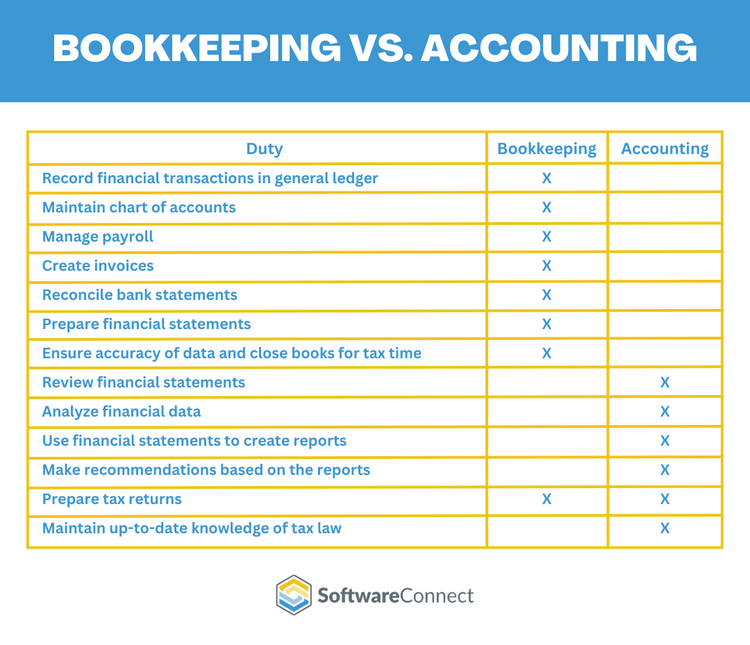
Double-entry, on the other hand, is the gold standard for a reason. Every transaction effects at least two accounts, one a debit and one a credit, preserving the accounting equation: Assets= Liabilities + Equity. This intrinsic balance serves as an integrated mistake detection system. If your debits don't equal your credits, you understand there's a discrepancy. This approach enables the development of vital monetary statements like the balance sheet, income declaration, and capital declaration, offering a holistic view of your service's financial performance and position. It's the distinction in between thinking and understanding, between reacting and strategizing. For professional bookkeeping services, double-entry is often the picked approach, offering the precision and insight companies genuinely need to flourish.
Selecting Your System: What to Consider
- Organization Size and Intricacy: Smaller, cash-based services may begin with single-entry, but growth often necessitates a shift to double-entry accrual.
- Market Standards: Particular industries have particular reporting requirements that dictate the type of system required.
- Future Development: Preparation for expansion? A robust double-entry system will serve you better in the long run.
- Tax Ramifications: Comprehending how each system impacts your tax responsibilities is essential.
Ultimately, the "finest" system isn't a one-size-fits-all answer. It's the one that best serves your particular business needs, providing clearness, precision, and the insights necessary for informed decision-making. Do not let the technical jargon frighten you; a great bookkeeping service simplifies these intricacies, permitting you to concentrate on what you do best: running your business.
Selecting Your Bookkeeping Alchemist
So, you've decided to hand over the labyrinthine task of monetary record-keeping. A smart move! Now, a brand-new mission emerges: choosing the best bookkeeping service provider. It's not merely about finding someone who can crunch numbers; it's about uncovering a real financial alchemist, somebody who can change chaotic invoices into informative reports, somebody who understands the nuanced rhythm of your service. Numerous business owners, in their preliminary eagerness, just pick the given name that pops up, only to find themselves adrift in a sea of missed out on deadlines and difficult entries. Have you ever felt that gnawing unpredictability, wondering if your books really show your financial reality or if a covert abnormality prowls beneath the surface area?
The main snag most businesses encounter isn't an absence of technical ability on the provider's part, however rather a basic detach in interaction and a lack of proactive insight. Think of a scenario where quarterly tax price quotes catch you completely off guard, leaving you scrambling for liquidity. This isn't simply a trouble; it's a substantial monetary derailment that could have been completely avoidable with correct forecasting. A top-tier bookkeeping service does not simply tape past transactions; they use a forward-looking point of view, flagging potential capital concerns long before they become crises. They're the early warning system you never ever knew you needed, changing reactive firefighting into strategic planning. This proactive position is the trademark of a genuinely valuable collaboration, moving beyond simple data entry to genuine financial stewardship.
Beyond the Basics: What to Scrutinize
- Market Specialization: Does the company have experience with businesses in your sector? A business versed in the particular accounting subtleties of, say, e-commerce or building and construction, can provide vital insights that a generalist might neglect.
- Scalability: Can their services grow with your business? What happens when you expand, diversify, or experience fast development? Ensure their processes and capability can comfortably accommodate your future needs without interruption.
- Technology Acumen: Are they skilled with the current accounting software and cloud-based options? Combination with your existing systems, such as CRM or inventory management, can simplify operations considerably.
- Reporting Capabilities: Beyond basic profit and loss declarations, what type of custom-made reports can they create? Do they use budget plan vs. actual analysis, departmental breakdowns, or crucial performance indication (KPI) dashboards that pertain to your company objectives?
Consider the tale of a little agency owner who, after years of handling her own books, decided to outsource. Her greatest apprehension wasn't the cost, but the fear of losing control and transparency. She longed for not just accurate journals, however a clear, absorbable understanding of her financial pulse. The ideal provider, she discovered, provided not just month-to-month reports, but individualized video summaries discussing the monetary story, highlighting patterns, and mentioning areas for enhancement. This level of engagement, far beyond simply sending out a spreadsheet, is what genuinely separates a great service from an extraordinary one. It bridges the space between raw data and actionable intelligence, empowering you to make educated choices. Look for a partner who prioritizes your understanding, not simply their own effectiveness. This is where real worth lies in outsourced monetary bookkeeping services.